Residential Property & Liability

Protection for a home and the belongings inside.

Whether you own a house in suburban Maryland, live in a city condominium, or lease an apartment, we help you structure coverage for your structure, belongings, and personal liability.

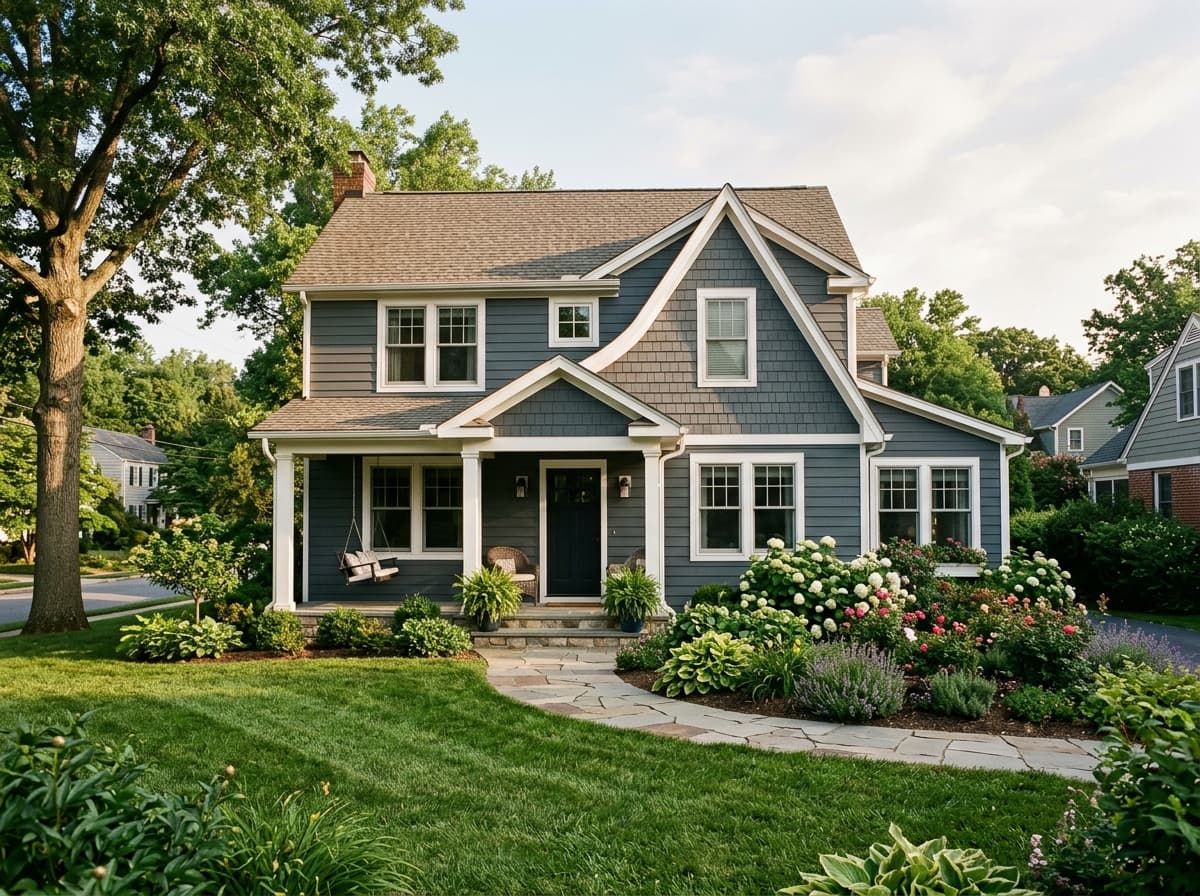
Maryland craftsman single-family residence with landscaped front garden representing home and renters property coverage

Coverage Comparisons

Selecting the right policy structure.

Property insurance is shaped around your ownership type. Review how each policy serves different living arrangements.

Homeowners (HO-3 / HO-5)

Single-family homes, townhomes, and owner-occupied residences

Included coverage considerations

  • Dwelling structure & attached additions
  • Other detached structures (garages, fences, sheds)
  • Personal belongings inside or outside the home
  • Loss of use / temporary living expenses
  • Personal liability and guest medical protection

Condominium (HO-6)

Individual condo unit owners

Included coverage considerations

  • Interior walls, flooring, fixtures, and interior improvements
  • Personal property and household furnishings
  • Gaps where the HOA master policy stops (walls-in coverage)
  • Loss assessment coverage for eligible shared property claims
  • Personal liability for incidents occurring inside your unit

Renters (HO-4)

Apartment and rental house tenants

Included coverage considerations

  • Personal belongings (furniture, electronics, clothing)
  • Personal liability protection for third-party injury or damage
  • Additional living expenses if the rental unit becomes uninhabitable
  • Protection against fire, theft, smoke, and water discharge
  • Affordable protection without paying for the building shell

Important Coverage Distinction

Exclusions under standard property policies

Standard homeowners, renters, and condo policies generally exclude damages caused by surface flooding, storm surge, sewer backup, and earthquakes. Separate policies—such as National Flood Insurance Program (NFIP) policies, private flood insurance, or water backup endorsements—can be added to address these specific exposures.

Our agents review your property address and flood zone to determine whether specialized peril endorsements are recommended.

Common Questions Answered

Residential property questions.

Does renters insurance cover the building structure?

No. Renters insurance (HO-4) covers your personal belongings, liability, and temporary living expenses. The building structure, roof, and common areas remain the landlord’s financial responsibility under commercial dwelling or landlord insurance.

Renters policies protect your furniture, electronics, and clothing against risks like fire, theft, smoke, and accidental water pipe discharge.

Personal liability protection is also included in an HO-4 policy, covering you if a guest is injured inside your rented premises.

What is the difference between dwelling and personal property coverage?

Dwelling coverage (Coverage A) pays to repair or rebuild the physical walls, roof, framing, and permanent fixtures of your home. Personal property (Coverage C) protects movable belongings inside—furniture, clothing, appliances, and valuables.

Dwelling limits should reflect the estimated replacement reconstruction cost of your home, not its current real estate market value.

Special limits apply to high-value jewelry, firearms, and fine art, which can be specifically scheduled on your policy.

Maryland Independent Agency

Explore home and renters insurance options.

Share your residence details with our independent agents to compare coverage choices from leading carriers.