Commercial Lines

Commercial property insurance for Maryland businesses.

From standalone buildings and tenant build-outs to equipment and operational income, we help business owners evaluate property risks and explore carrier options.

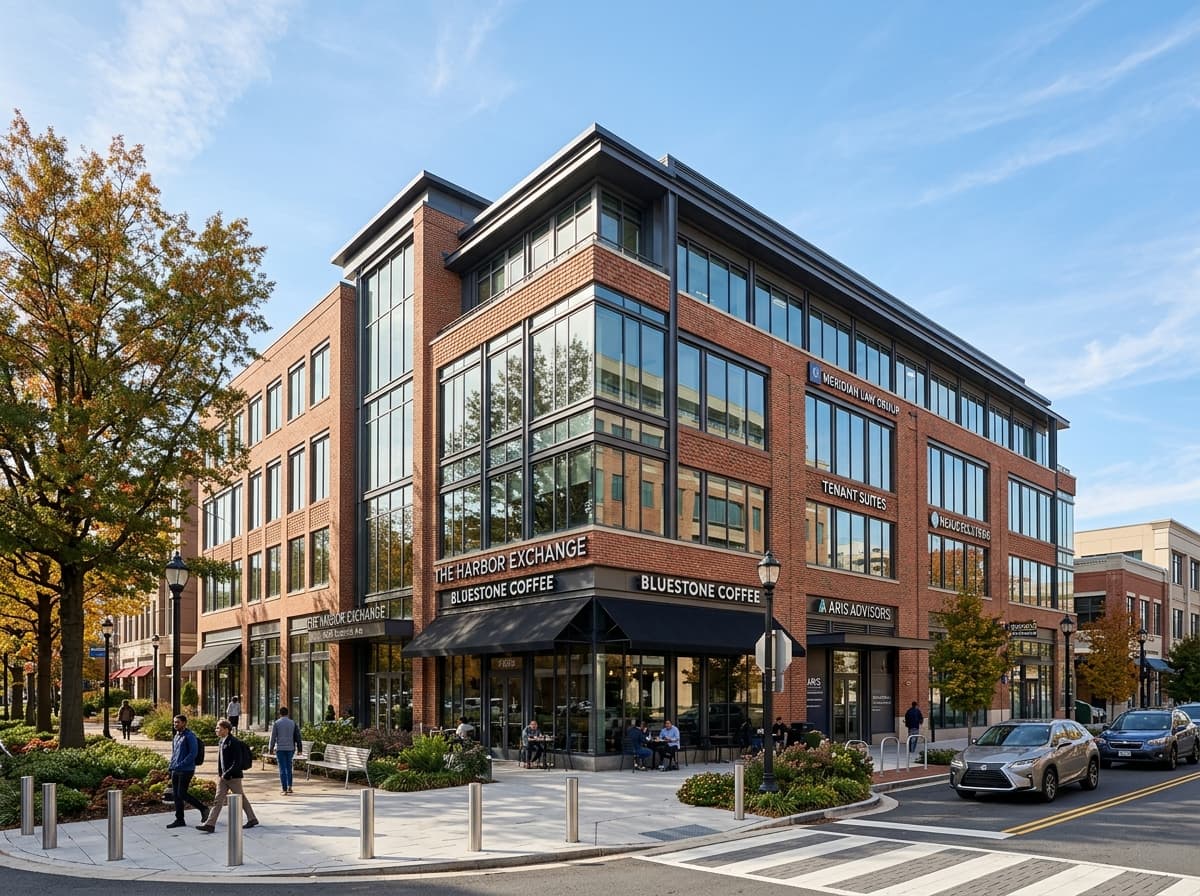
Modern commercial office building and storefront architecture representing Maryland business property protection

Core Coverage Areas

Physical property and revenue continuity.

Commercial Buildings & Facilities

Owner-occupied commercial real estate, retail storefronts, warehouses, medical offices, and commercial investment properties.

Business Personal Property & Inventory

Furniture, fixtures, machinery, computers, specialized tools, raw materials, and merchant stock stored on premises.

Tenant Improvements & Betterments

Permanent structural fixtures, custom lighting, interior framing, and leasehold improvements installed in leased spaces.

Business Income & Interruption Protection

Helps replace lost net operating income and cover ongoing expenses such as payroll and rent while repairs take place after a covered loss.

Businessowners Policies (BOP)

Cost-effective package policies for qualifying small-to-midsize businesses, bundling commercial property and general liability.

Underwriting Checklist

Information needed for a commercial quote

Commercial underwriters evaluate specific structural and operational factors. Having these details ready accelerates review:

Building Construction & Year Built

Age of building, construction classification (frame, masonry, non-combustible), roof age, and total square footage.

Protective & Safety Systems

Fire sprinklers, central station fire/burglar alarms, security cameras, and proximity to the nearest municipal fire hydrant.

Property Valuation & Contents Limits

Replacement cost estimates for structure and peak inventory or equipment values held throughout the year.

Commercial Operations & Occupancy

Nature of commercial activities, neighboring tenant occupancies, and estimated annual gross revenue.

Loss History (Loss Runs)

Carrier loss run documentation of prior commercial claims or property losses over the preceding 3 to 5 years.

Underwriting Considerations

Valuation terms and policy forms

Commercial policies differ significantly in covered causes of loss (Basic, Broad, or Special form), valuation terms (Replacement Cost vs. Actual Cash Value), coinsurance requirements, and deductibles.

Protections such as business interruption, flood, utility services interruption, and equipment breakdown are not automatic and should be specifically evaluated during your review.

Commercial Questions Answered

Commercial property considerations.

Is business interruption insurance automatically included in property policies?

No. Business income and interruption coverage is not automatic under standard commercial property policies. It must be explicitly added or included within a comprehensive Businessowners Policy (BOP) package.

Business interruption helps replace lost operating net revenue and covers continuing obligations—such as employee payroll, rent, and loan service—while repairs take place following a covered peril.

Carriers calculate limits based on your annualized gross receipts, seasonal revenue peaks, and estimated reconstruction restoration timelines.

How do coinsurance clauses affect a commercial property claim?

Coinsurance requires policyholders to insure their building or business personal property to an agreed percentage (typically 80%, 90%, or 100%) of its true replacement cost. Underinsuring your property can result in significant financial penalties on claim settlements.

If a building valued at $1,000,000 has an 80% coinsurance requirement ($800,000) but is only insured for $400,000, the carrier will only pay half of any partial loss, less the deductible.

Our agents assist in reviewing valuation reports and property appraisals to help avoid coinsurance penalties.

Maryland Independent Agency

Review your commercial property coverage.

Share your business property details with our agents to explore options tailored to your operations and budget.